
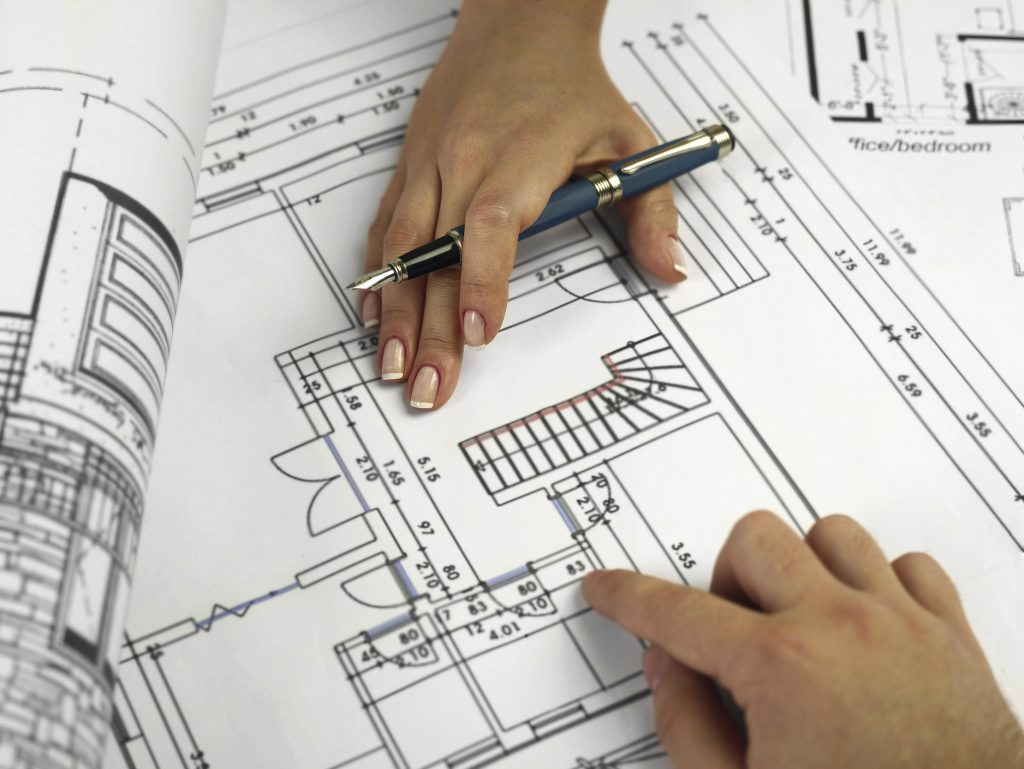
A successful laser tag arena is about far more than visual theming alone. While immersive environments remain important, long-term venue success is often determined by how well the arena supports gameplay flow, repeat visitation, and operational efficiency.
The most successful commercial laser tag arenas are designed not just to look impressive, but to create experiences players want to return to repeatedly.
Why Arena Design Matters
Arena layout directly impacts:
- Player movement
- Game pacing
- Team interaction
- Session flow
- Replayability
- Operational throughput
A poorly designed arena can create:
- Congestion points
- Limited player interaction
- Predictable gameplay
- Reduced immersion
- Lower repeat visitation
Strong arena design helps create balanced gameplay experiences that remain enjoyable across multiple sessions.
Encouraging Movement Throughout the Arena
One of the most common mistakes in arena design is allowing players to remain stationary for extended periods.
Modern laser tag gameplay works best when arenas encourage:
- Continuous movement
- Tactical positioning
- Multiple engagement opportunities
- Rotating player flow
Well-placed bases, targets, choke points, and pathways help distribute players naturally throughout the arena.
Creating Replayability
Repeat play is one of the strongest revenue drivers in commercial laser tag.
To support this, arenas should provide:
- Multiple routes
- Different tactical opportunities
- Varied engagement distances
- Layered sightlines
- Dynamic gameplay areas
Players should feel that each session offers slightly different gameplay opportunities rather than becoming repetitive after only a few visits.
Balancing Visibility and Immersion
Dark environments remain important for immersion, but completely removing visibility can negatively impact both gameplay and safety.
Commercial arenas need to balance:
- Atmospheric lighting
- Clear pathways
- Sensor visibility
- Staff supervision
- Player comfort
Lighting design should support gameplay rather than simply making the arena as dark as possible.
Supporting Operational Efficiency
Arena design also impacts day-to-day venue operation.
Efficient layouts help support:
- Fast game turnover
- Simple player briefing
- Easy staff supervision
- Smooth entry and exit flow
- Maintenance access
These operational considerations become increasingly important during busy weekends and group booking periods.
Designed Around Commercial Reality
At Delta Strike, arena consultation focuses on creating layouts that balance immersion, gameplay quality, and operational performance.
Rather than using fixed layouts, each arena should be designed around:
- Available footprint
- Ceiling height
- Target demographic
- Throughput requirements
- Venue type
- Revenue goals
Because the best arenas are not just visually impressive.
They are designed to keep players coming back.
For more information about Delta Strike’s commercial laser tag systems and arena consultation services, visit Delta Strike.